In short
- Structure your story text around production methods and material quality rather than basic personal background.
- Include real workspace photos to confirm authentic handcrafting and reassure hesitant buyers.
- Disclose every shop member and external production partner to remain fully compliant with Etsy policy.
- Keep your story concise with clear headings and short paragraphs optimized for mobile readers.
On this page
- Focus your story on materials, craft techniques, and customer benefits
- Upload genuine workspace photos and behind-the-scenes video clips
- List shop members and roles to meet platform requirements
- Disclose production partners transparently to establish commercial trust
- Connect your shop social links and direct call to action
- Frequently Asked Questions
- References
An effective Etsy About section builds instant trust by proving who makes your products, explaining how they are created, and establishing your brand's unique craft authenticity.
When buyers land on your shop profile, they want assurance that your products are high quality and legally compliant before placing an order. Crafting a structured story alongside real studio photos provides the transparency needed to turn window shoppers into loyal repeat customers.
Focus your story on materials, craft techniques, and customer benefits
Shoppers scan your Etsy About section to verify quality, not to read an autobiography. Focus on your raw materials, hands-on techniques, and what those details mean for the buyer. When you connect your craftsmanship directly to customer benefits, you build immediate trust and justify a premium price point.
Structure your story using a three-paragraph decision rule. Start with your origin, keeping it tightly focused on your product line—with the same clear focus used when choosing your shop name. Next, detail your process by naming specific raw materials and hands-on techniques. Finally, end with your promise by explaining how those methods directly benefit the owner.
For example, replace generic personal history like "I have loved sewing for years" with concrete proof: "I double-stitch every seam using heavyweight organic cotton canvas so your tote handles never pull apart under weight." Framing your materials around long-term durability turns casual browsers into confident buyers.
Upload genuine workspace photos and behind-the-scenes video clips
Buyers scan your About section photo gallery for visual proof of true handcrafting, not polished studio renders. Uploading raw work surfaces, specialized tools, and work-in-progress materials immediately establishes authentic credibility. Real process photos prove human artistry faster than studio product shots ever can, directly reducing buyer hesitation.
While your listing description opening lines address concrete item details, your About photos validate your process. Frame shots around action rather than perfection to build instant trust:
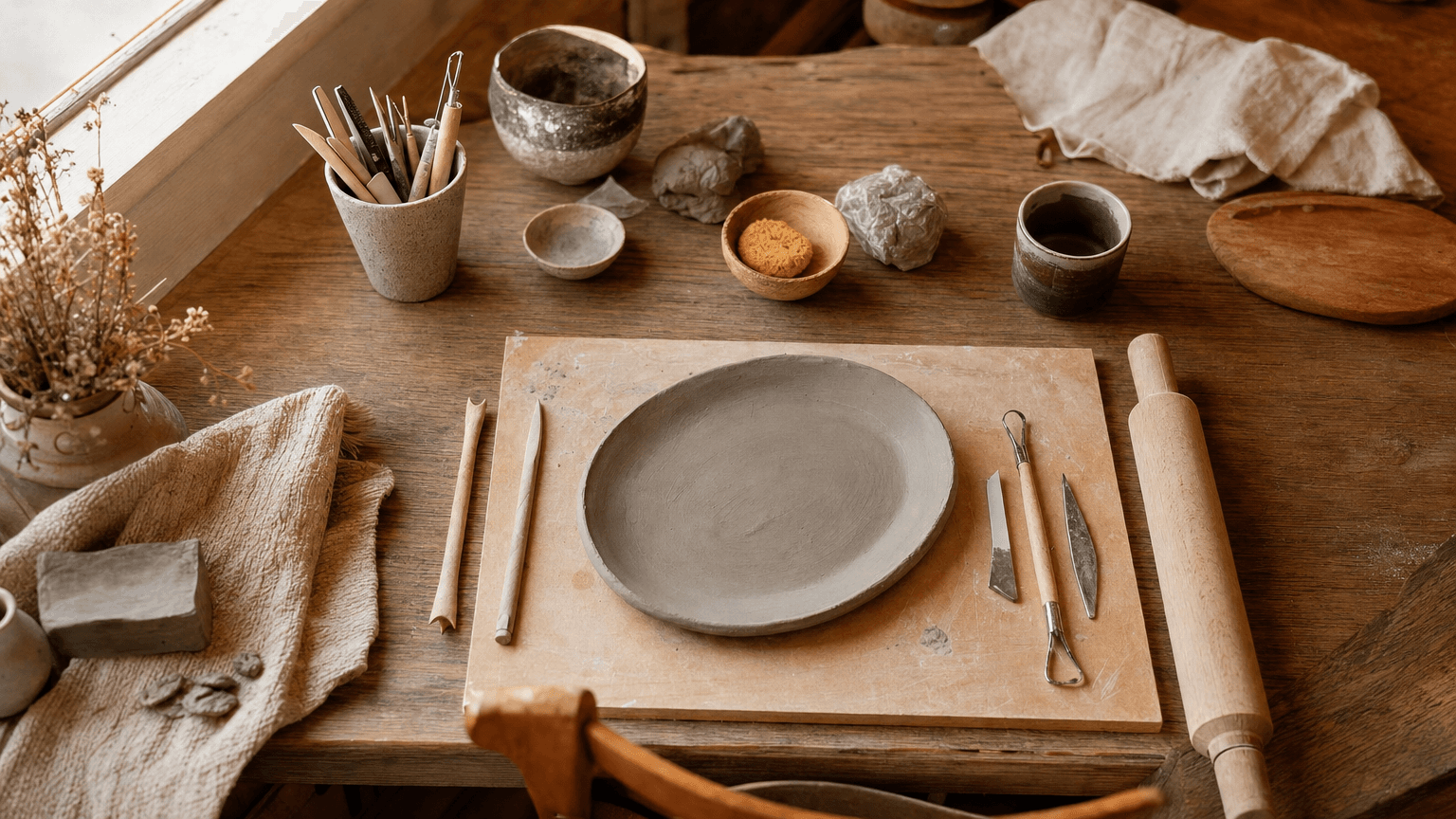
Raw components: Show unshaped clay, raw leather sheets, or timber before cutting.
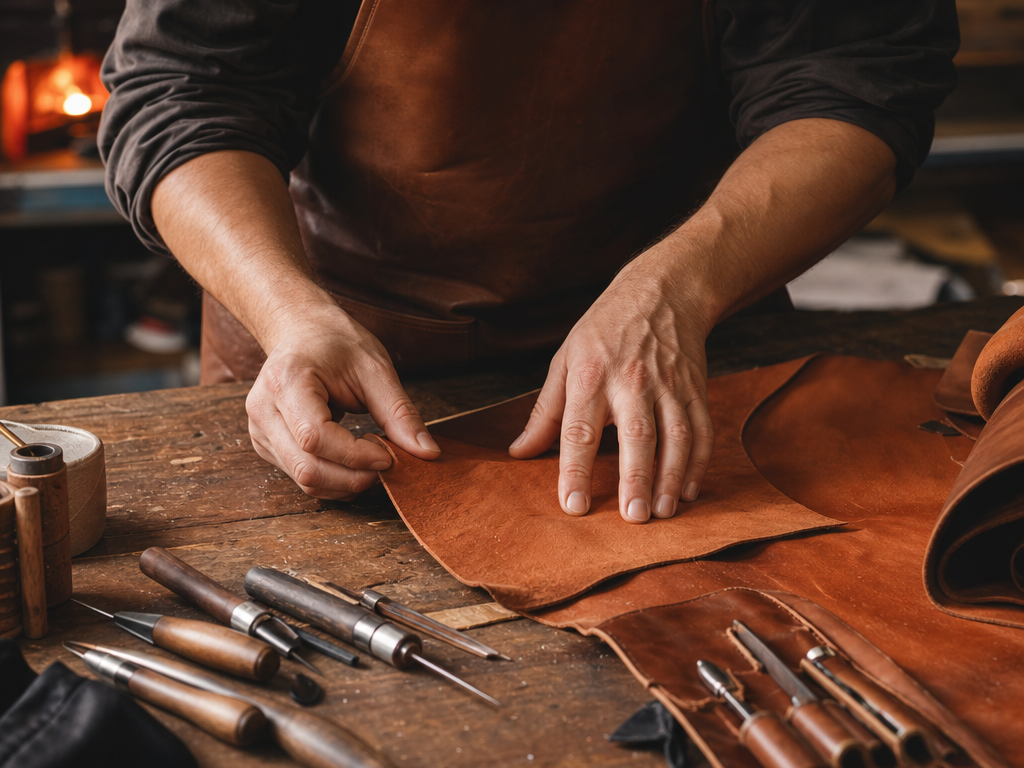
Action shots: Photograph hands actively measuring, carving, or soldering.
Behind-the-scenes video: Add a short video clip demonstrating a signature step, like hand-glazing ceramic rims.
Apply a simple decision rule: if an image looks like a stock photo, skip it. Swap pristine white backgrounds for a real workbench covered in tools or thread spools to visually confirm authentic craftsmanship.
List shop members and roles to meet platform requirements
Etsy requires you to list everyone who helps produce your items or run your business in the shop members section of your About page. Adding transparent profiles with specific roles like maker, designer, or customer service ensures policy compliance while proving to buyers that real people handle their orders.
Failing to disclose outside help or team members can flag your store during Etsy's handmaking reviews. To stay fully compliant and build buyer confidence, use these exact rules when assigning roles:
Maker: Assign this to anyone physically creating, cutting, sewing, or assembling your finished products in-house.
Designer: Use this if you create the original patterns, illustrations, or graphics, even if a production partner prints them.
Customer Service: Label team members who manage your inbox, handle returns, or coordinate custom orders.
For example, if you draw original digital artwork and a staff member packages orders, list yourself as 'Owner and Designer' and your assistant as 'Packer and Shipper'. Clearly defining these boundaries satisfies Etsy's seller policies and reassures shoppers that your store operates as a legitimate small business.
Disclose production partners transparently to establish commercial trust
Disclosing production partners on your listings isn't just a policy requirement—it builds commercial trust by showing buyers exactly how your items are made. Transparent disclosures explain your role as the designer while clarifying who handles physical printing or manufacturing, preventing customer confusion and keeping your shop compliant.
Use a simple decision rule: if you do not physically print, cut, or assemble the finished item entirely in your home or studio, you must list your manufacturer. When adding a production partner in your shop settings, choose plain, reassuring language over standard corporate templates.
Weak disclosure: "We use a third-party printer to make our t-shirts."
High-trust disclosure: "I hand-draw every design in my studio. My printing partner in California prints my artwork onto organic cotton shirts using eco-friendly water-based inks."
Explicitly stating your specific design role alongside your partner's manufacturing role reinforces that your shop sells original, high-quality work, giving buyers the confidence to order.
Connect your shop social links and direct call to action
Shop links in your Etsy About section should bridge interested shoppers to your broader brand without distracting them from making a purchase. Use Etsy's built-in social media fields to link your official channels, then end your written narrative with a clear call to action that directs buyers straight back to high-converting shop sections.
Strategic links that keep buyers shopping
When setting up your links, follow a simple decision rule: external links should prove your brand is legitimate, while your narrative's closing text drives immediate internal browsing. If a shopper clicks off Etsy to your social media page, ensure your social profile link directs them right back to your Etsy shop.
Use native link slots: Add Instagram, Pinterest, or your website URL directly into Etsy's designated social fields to keep your narrative text clean.
Anchor your closing CTA: Conclude your story with a direct prompt, such as: "Looking for a personal touch? Browse our Custom Gifts section to build your order."
Frequently Asked Questions
Where do shoppers see the Etsy About section?
Shoppers find your Etsy About section near the bottom of your main shop homepage. On mobile devices, buyers can access it by tapping your shop name or scrolling below featured listings. Including photos and video here gives shoppers direct proof of your making process before they buy.
Does the Etsy About section affect search ranking?
Etsy states that shop completeness, which includes completing your About section, plays a role in customer trust and shop quality rating. While keywords in your story do not directly rank your listings, a complete profile builds buyer confidence, which helps improve overall store conversion rates over time.
What images should I upload to my About section?
Upload clear photos of your workspace, tools, raw materials, and hands working on products. Avoid using generic stock photos or overly polished studio renders. Highlighting real production steps and workshop details proves to potential customers that your items are truly handmade or custom designed by you.
References
Is your listing ready for search?
Paste your title and tags; it flags duplicates, tags over 20 characters and empty tag slots.
Open the Listing CheckerNo sign-up needed
Emirhan Sevim
Co-founder of Optimsy. Builds tools that help Etsy sellers make listing, pricing and niche decisions with data.
About Optimsy →