In short
- Hand assembly qualifies as handmade on Etsy when you physically combine or alter components to form a distinct new product.
- Grouping unaltered commercial items into gift sets or multi-packs counts as prohibited reselling under Etsy seller policies.
- Documenting your assembly process with behind-the-scenes workbench photos builds buyer trust and protects your shop during review flags.
- Clear listing text that accurately details your crafting materials helps align buyer expectations and prevents item-not-as-described cases.
On this page
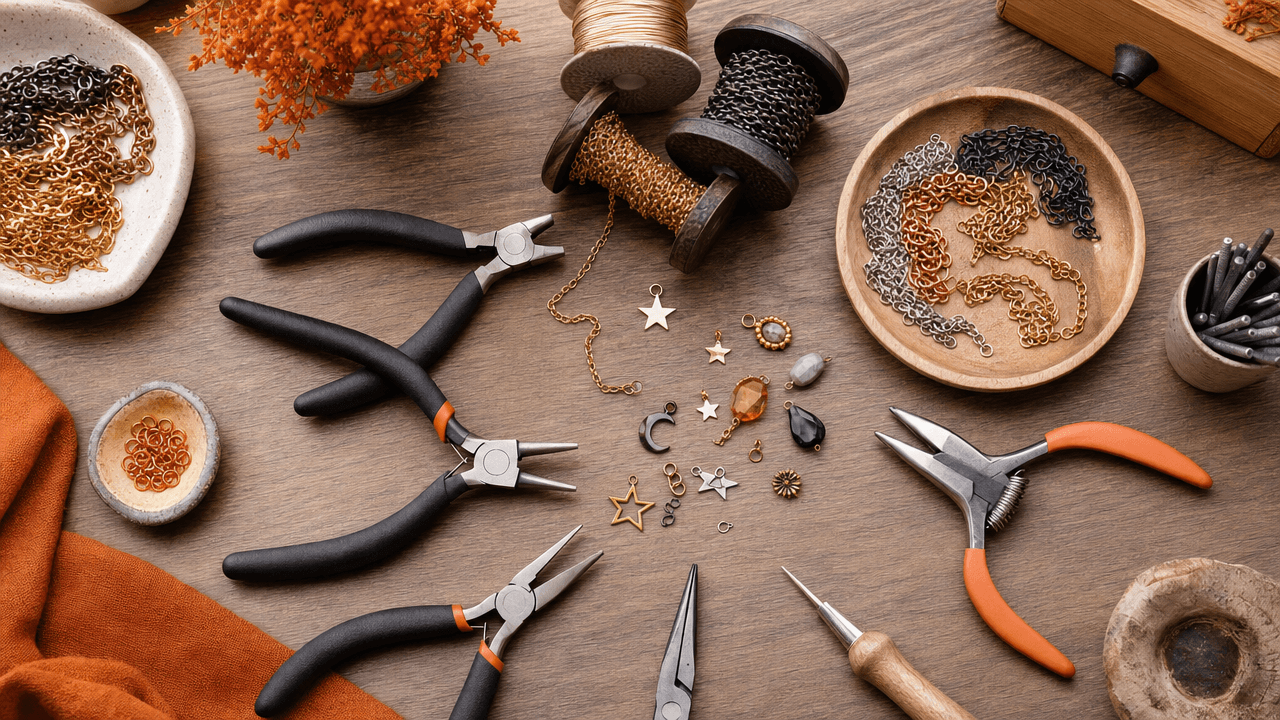
Hand-assembling purchased components qualifies as handmade on Etsy if you design the item or significantly alter supply parts to create a brand-new finished physical item yourself.
Understanding where assembly ends and reselling begins keeps your storefront compliant while protecting your hard-earned traffic. When you source charms, beads, fabrics, or blank substrates and assemble them by hand into an original physical product, Etsy treats you as the maker. However, simply grouping pre-finished commercial products into a single container without physical transformation violates handmade rules.
How Etsy distinguishes handmade crafting from simple reselling
Etsy distinguishes handmade crafting from reselling by evaluating whether your physical labor or original design creates a new, distinct item. Under etsy handmade policy guidelines, stringing factory-made beads onto a wire counts as handmade, but re-packaging those exact same beads in a bag to sell as a supply does not.
To stay compliant and prevent unexpected shop suspensions, apply this straightforward decision rule to your process before publishing a listing:
The Alteration Test: Did you permanently alter, assemble, or transform the components into an original object? (Example: Fastening blank charm pendants onto a hand-cut leather cord passes; putting the unattached charm and cord into a kit bag without design input fails unless listed under Craft Supplies).
The Original Design Test: If a third party manufactures the item, did you create the original artwork or pattern from scratch? (Example: Printing your custom illustration on a blank tote bag passes; placing stock clip art on that same tote bag fails).
If you buy pre-made components, your value must come from the structural assembly or original visual layout. Describe your exact assembly steps clearly in your listing description to show Etsy's review team that real hand work took place.
Three real listing scenarios tested against marketplace policies
Etsy permits assembly when you apply original design judgment, but bans bundling commercial goods without alteration. To stay compliant, evaluate your labor: stringing loose beads into a unique design is allowed, while putting factory-made items inside a basket is considered prohibited reselling.
The difference comes down to your design footprint. If your hand-assembly transforms separate components into an original item, Etsy classifies it as handmade. If you simply pack pre-made goods into one box, Etsy flags the listing for removal.
Beaded Jewelry (Allowed): You buy mass-produced glass beads and string them into your original color pattern. You altered the form and added design value.
Pre-Packaged Gift Baskets (Prohibited): You buy factory lotion, a commercial candle, and place them in a basket. You did not make or design the items inside.
Customized Blank Goods (Allowed): You buy blank canvas totes and hand-stamp your original artwork onto them. The physical base is bought, but the design is yours.
To keep your shop safe, ensure your title highlights your design work rather than emphasizing commercially sourced accessories. When you price handmade items for profit, positioning your original labor correctly protects your listing from automated reselling flags.
Prohibited positioning: "Spa Gift Basket, Self Care Box, Factory Candle and Mug Kit"
Compliant positioning: "Hand-Poured Soy Candle Gift Set, Lavender Spa Kit with Custom Matchbox"
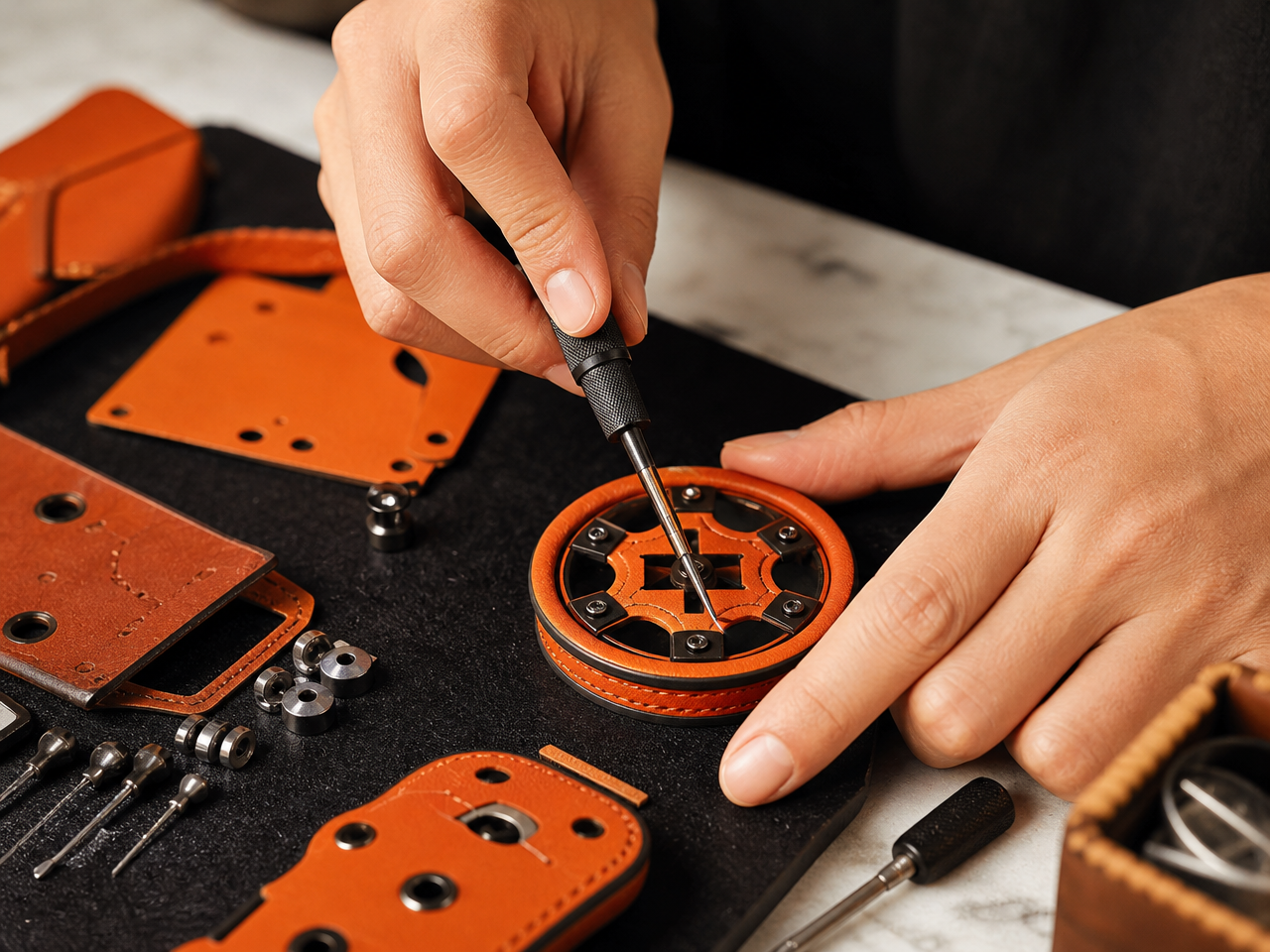
Step-by-step audit to verify your product handmade status
To verify your item meets etsy handmade policy guidelines, conduct a three-part audit evaluating raw components, your physical labor, and the final item transformation. Etsy requires sellers to add human creativity or manual skill to every handmade listing. If your process relies on combining pre-made components, your labor must fundamentally alter the utility or appearance of the original parts.
The 3-Step Hand-Assembly Decision Framework
Trace your raw materials: List every component. If you purchase pre-finished base pieces, document where your materials end and your manual craft begins.
Audit the labor step: Identify the exact physical skills required (such as soldering, hand-stitching, or custom cutting). Stringing manufactured beads onto a commercial wire spool fails the handmade test if it requires no specialized alteration.
Verify complete transformation: Compare the raw inputs to the finished product. Ask: Does the final item possess a distinct design, utility, or aesthetic that could not exist without your direct manual labor?
Consider a practical before-and-after listing example: taking a plain, pre-manufactured wood frame and popping a commercial print inside is simple reselling. But hand-sanding that wood frame, applying a custom wood stain, and hand-stenciling an original design transforms it into a compliant handmade item. Document your process with short workshop videos to defend your shop if Etsy flags your listing for policy review.
How to document your craft process to protect your shop
To defend against automated listing flags under etsy handmade policy guidelines, build a dedicated proof folder for every assembled item. Keep digital copies of raw component invoices, photograph your worktable during assembly, and record a short video attaching parts. Having this evidence ready lets you resolve shop flags fast.
Save supplier invoices for raw components to prove you sourced parts rather than buying finished resold goods.
Snap workspace photos showing loose parts next to finished items, including your tools in the frame.
Record a brief clip of the assembly process to upload during appeal reviews or customer dispute inquiries.
Organize these files by listing draft so you can easily attach them if Etsy flags an item or requests verification. When you streamline your listing workflow, archiving supply receipts and step-by-step assembly images alongside your draft listing tags—such as "handmade charm"—keeps your shop compliant without slowing down launch day.
Frequently Asked Questions
Can I put a charm on a commercial chain and sell it on Etsy?
Yes, provided you attach the charm yourself and clearly disclose your design choices in the listing. Putting pre-made charms on purchased chains is considered hand assembly under Etsy policies, as long as you do not sell mass-produced finished jewelry imported as-is without making any changes.
Does packaging multiple purchased items together count as handmade?
No, bundling unmodified commercial items inside a box or bag does not qualify as handmade. Etsy considers this reselling, which is strictly prohibited in the handmade category. To sell gift boxes, you must make or alter the physical components yourself rather than just assembling pre-made goods.
What happens if Etsy flags an assembled item as reselling?
Etsy may deactivate your listing or send an email requesting proof of your handmade process. You can submit step-by-step assembly photos, purchase receipts for raw components, or video showing your workspace. Clear proof of physical assembly helps demonstrate compliance with Etsy rules and restores your listing.
References
Is your listing ready for search?
Paste your title and tags; it flags duplicates, tags over 20 characters and empty tag slots.
Open the Listing CheckerNo sign-up needed
Emirhan Sevim
Co-founder of Optimsy. Builds tools that help Etsy sellers make listing, pricing and niche decisions with data.
About Optimsy →